
Geophysical Methods
Vanguard Exploration provides a range of geophysical survey methods to help clients understand subsurface conditions and identify potential resource targets.
Our services include techniques such as magnetic, gravity, electrical, and electromagnetic surveys to detect variations in the physical properties of the Earth.
By integrating advanced technology with expert data processing and interpretation, we deliver accurate and reliable geophysical insights that support mineral exploration, ground water, environmental studies, and infrastructure planning.
- Mining & Mineral Exploration
- Environmental & Groundwater Studies
- Civil Engineering & Construction
- Energy & Renewable Resources
- Oil & Gas Exploration
- Government Geological Surveys
- Oil & Gas (Hydrocarbon Exploration)
- Energy Transition & Renewable Projects
- Archaeology and heritage research
Core Geophysical Methods
1. Magnetic Surveys (Ground & Drone-Borne)
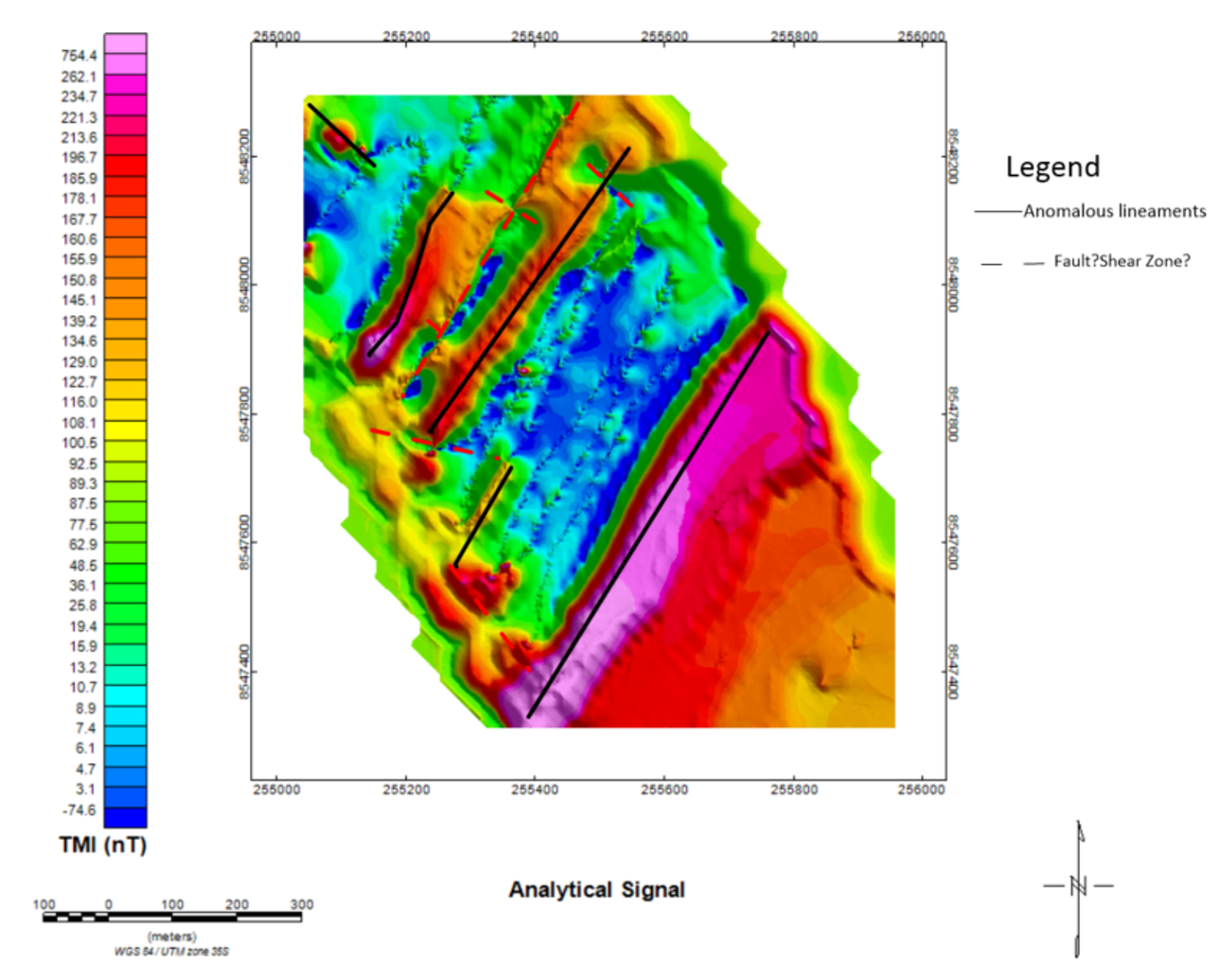
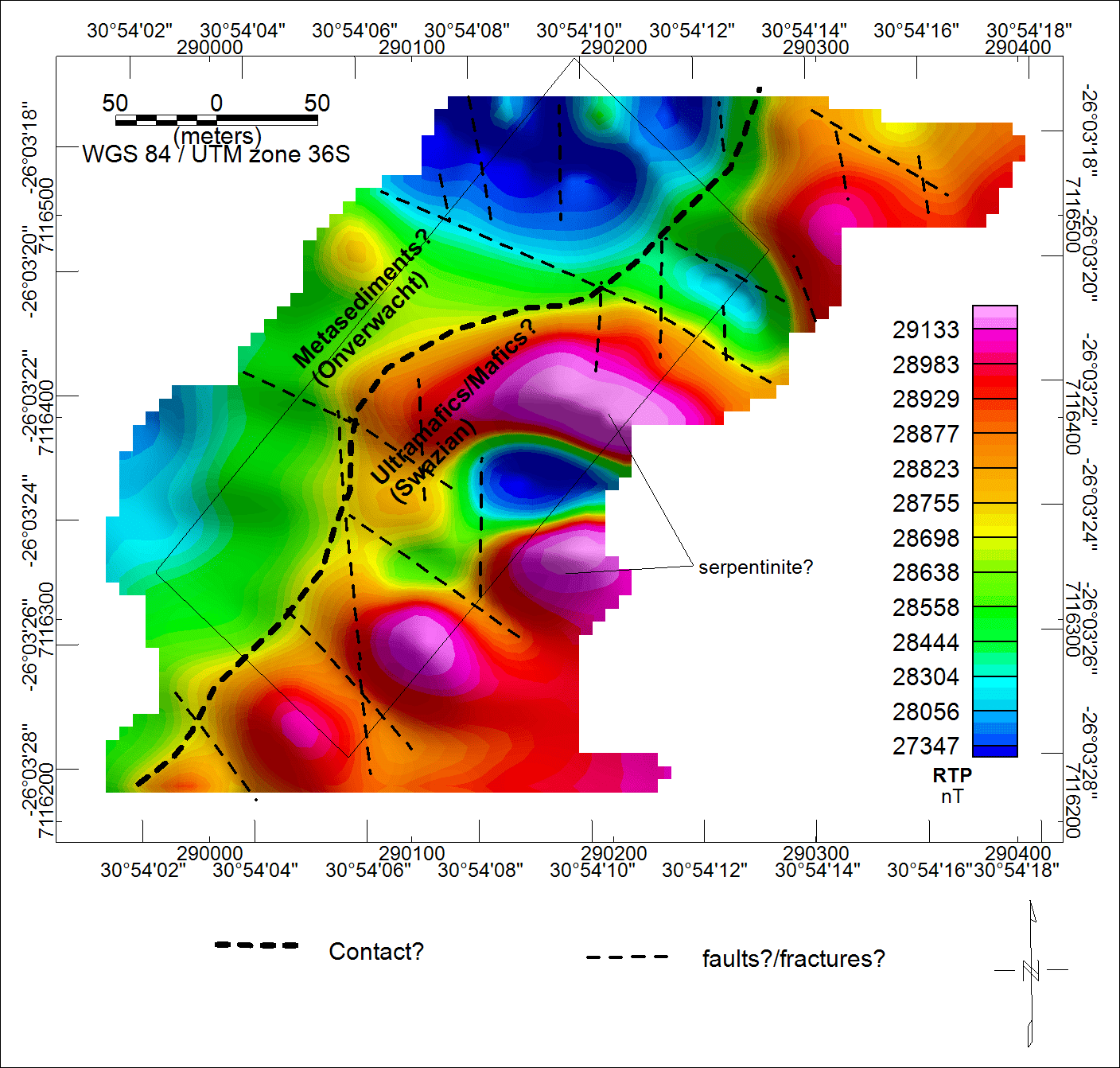
We map variations in the Earth’s magnetic field to identify structural controls, such as faults, dykes, and lithological contacts. High-resolution ground & aeromagnetic data, often collected via integrated drone systems, allows for rapid coverage of large or inaccessible areas, revealing magnetic anomalies associated with mineralized systems
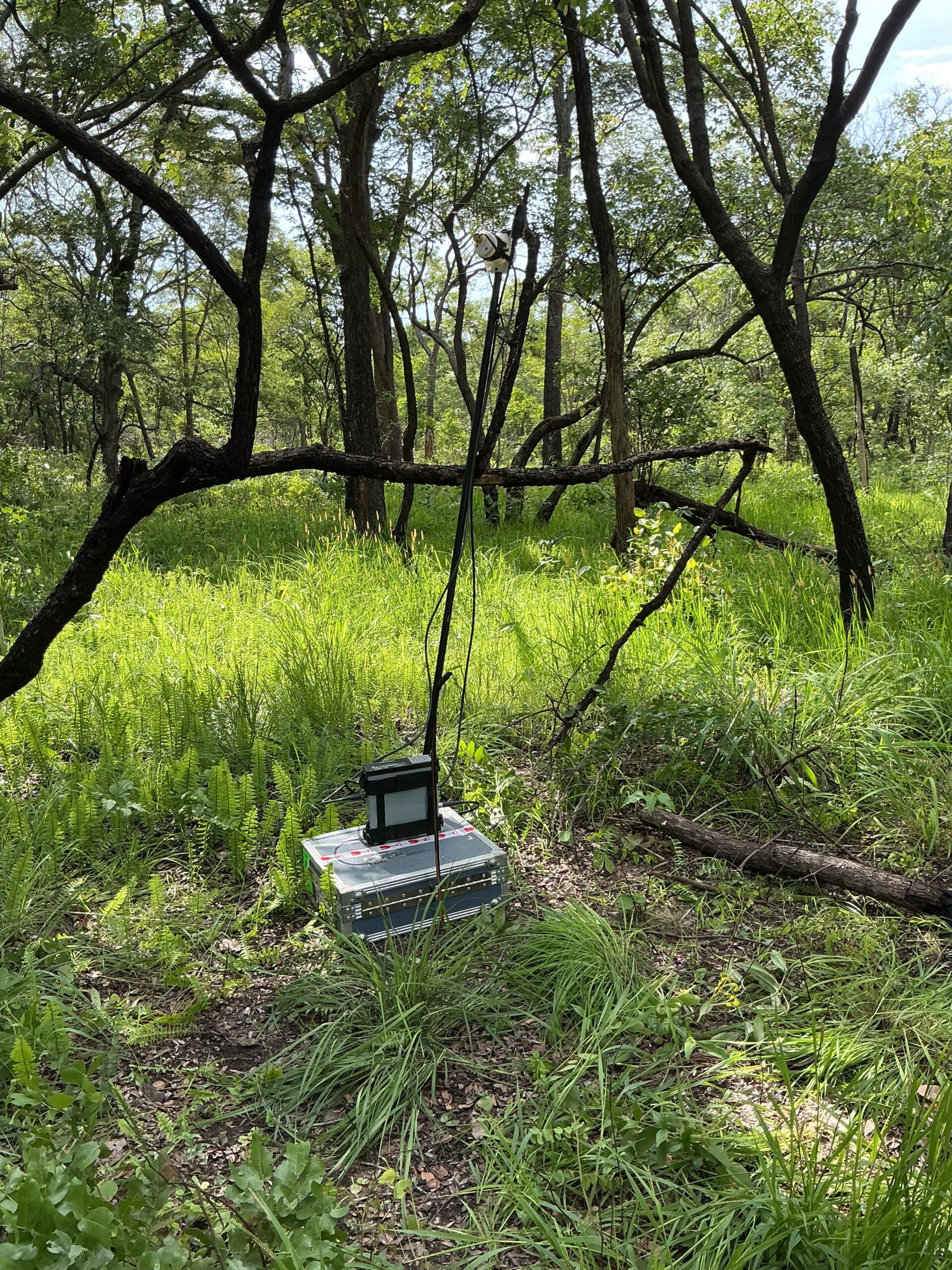
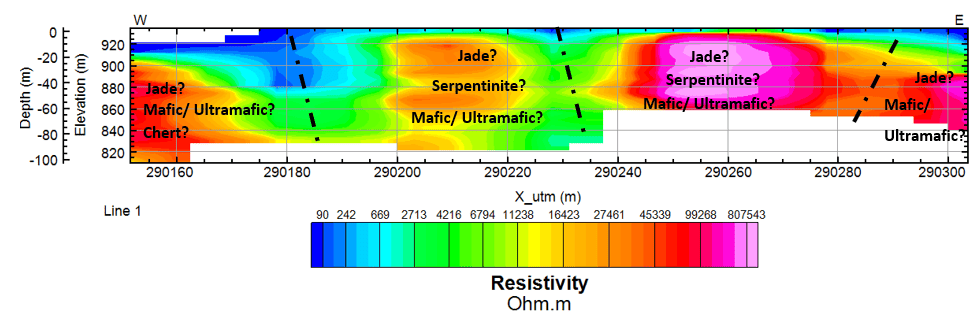
2. Electromagnetic (EM) & Resistivity
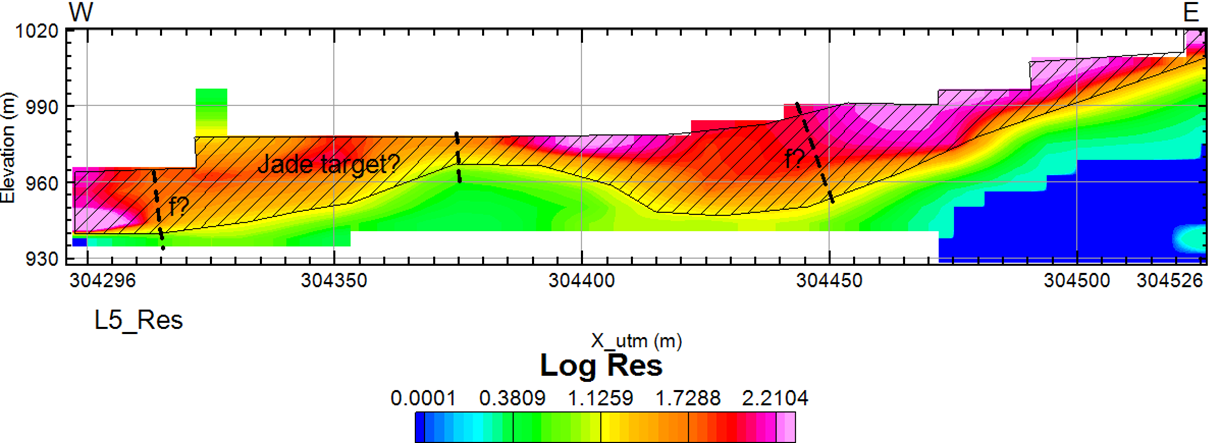
These methods measure how well the ground conducts electricity. They are essential for detecting massive sulphide deposits, mapping groundwater resources, or identifying clay layers and bedrock depth for geotechnical foundations.
3. Gravity Surveys
By measuring minute differences in the Earth’s gravitational pull, we can detect subsurface density variations. This is a primary tool for identifying large-scale structures, salt domes, and dense ore bodies (like hematite or chromite) buried deep under cover.
4. Induced Polarization (IP)
IP is the industry standard for detecting disseminated mineralization. By measuring the chargeability of the ground, we can identify mineral zones that might not be conductive enough for standard EM methods, such as porphyry copper or gold-bearing pyrite.
5. Seismic Survey
Vanguard Exploration sends sound waves into the ground and records how they reflect or refract off different rock layers. This is primary for mapping deep structural features.
Why Integrate Geophysics?
- Precision Targeting: Move from broad geological concepts to specific, high-priority drill targets.subtle geological features, buried hazards, and structural variations that might be missed otherwise.
- Depth Penetration: Gain insights into the “blind” geology hidden beneath thick overburden or transported regolith.
- Cost Efficiency: Drastically reduce exploration footprints and focus capital on the areas with the highest probability of success.
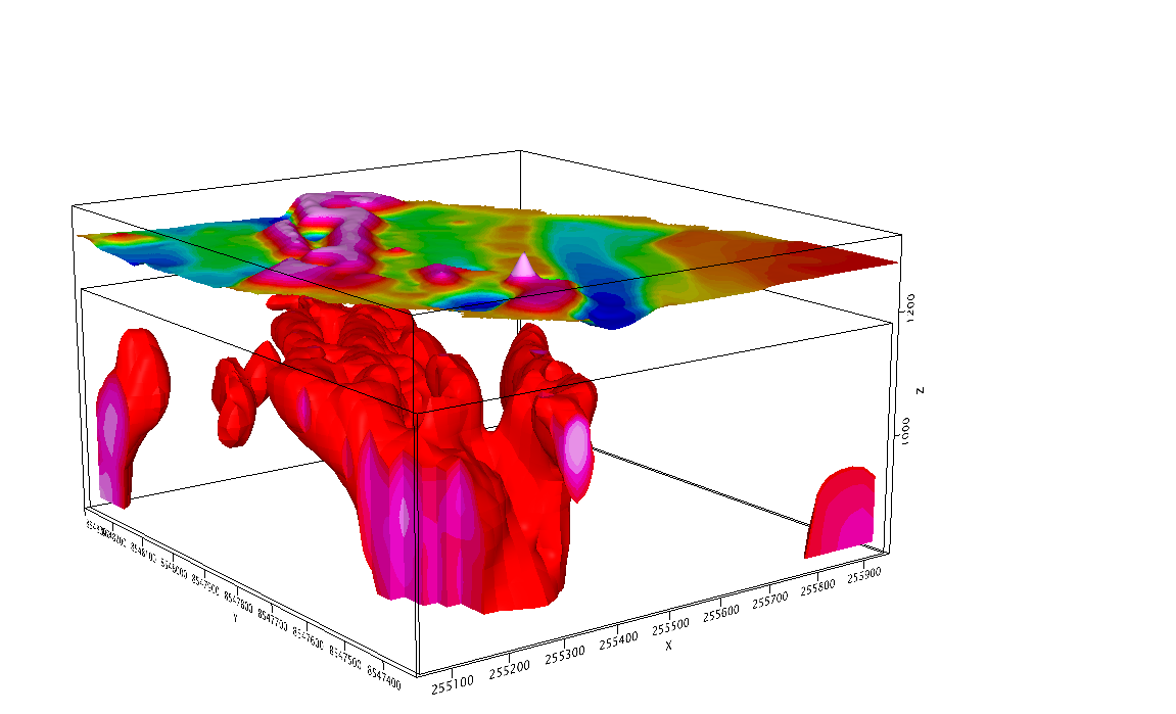
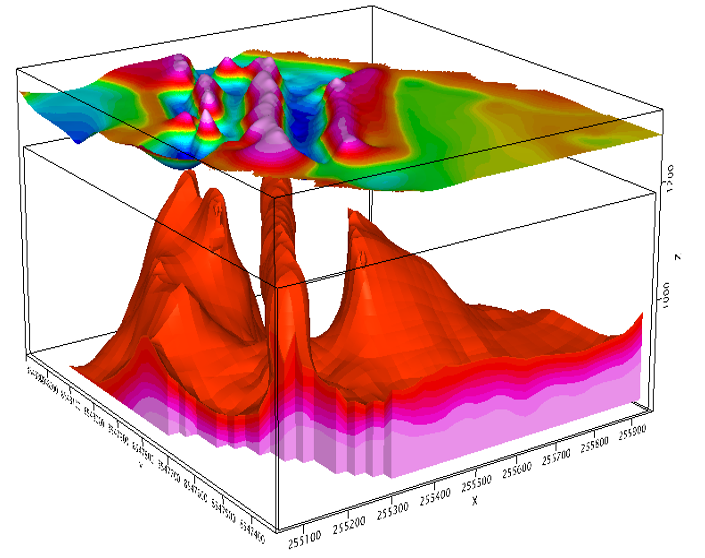
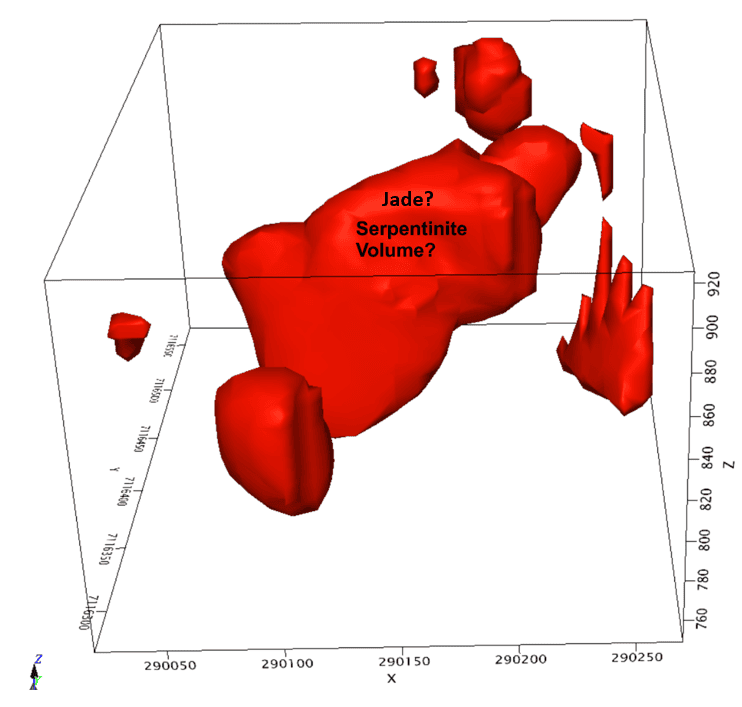
- Data Integration: Our results are processed into 3D models and GIS-ready formats (such as .shp or .dwg) for seamless integration into your project database.
Let Us Get Things Done
- (+27) 076 227 6808
- ngvgeotechnical@gmail.com
Reach us through
- 287 Grasuil Street, Tierpoort, Pretoria East, 0081
- (+27) 076 227 6808
- ngvgeotechnical@gmail.com